
Understanding Artificial Intelligence in Corporate Travel Management

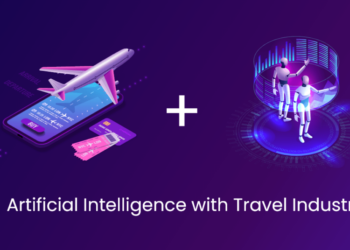
Artificial Intelligence (AI) plays a crucial role in corporate travel management by revolutionizing the way organizations handle their travel arrangements. Through the implementation of AI technologies, companies can streamline processes, enhance efficiency, and improve the overall travel experience for employees.AI is transforming the corporate travel industry by automating repetitive tasks, analyzing vast amounts of data to provide insights, and personalizing travel recommendations based on individual preferences.
This not only saves time and reduces costs but also ensures a more seamless and tailored travel experience for employees.
Key AI Technologies in Corporate Travel Management
- Chatbots: AI-powered chatbots are being used to provide instant support and assistance to travelers, from booking flights and hotels to answering questions and resolving issues.
- Machine Learning: By utilizing machine learning algorithms, companies can analyze historical travel data to predict trends, optimize travel itineraries, and suggest cost-effective options.
- Natural Language Processing (NLP): NLP technology enables computers to understand and process human language, allowing for more natural interactions between travelers and AI systems.
- Robotic Process Automation (RPA): RPA automates repetitive tasks such as data entry, invoice processing, and compliance checks, freeing up employees to focus on more strategic activities.
Benefits of Implementing AI in Corporate Travel Management
AI technology offers numerous benefits when it comes to managing corporate travel efficiently and effectively. By leveraging AI tools and platforms, businesses can streamline their travel processes, enhance productivity, and achieve cost savings. Let's delve into some of the advantages of implementing AI in corporate travel management:
Enhanced Efficiency in Booking Travel Arrangements
AI-powered platforms can analyze vast amounts of data in real-time to provide personalized travel recommendations, including flights, accommodations, and transportation options. This not only saves time for employees but also ensures that they have access to the best travel options tailored to their preferences.
Additionally, AI can automate the booking process, reducing the need for manual intervention and minimizing the chances of errors or discrepancies.
Improved Cost Savings and Travel Policy Compliance
AI can help businesses optimize their travel expenses by identifying cost-effective travel options, negotiating discounts with vendors, and monitoring travel policy compliance. By analyzing historical data and trends, AI systems can identify areas where costs can be reduced without compromising the quality of travel arrangements.
Moreover, AI-powered tools can ensure that employees adhere to the company's travel policies, flagging any deviations and providing real-time alerts to both travelers and managers.
Challenges and Limitations of AI in Corporate Travel Management
Artificial Intelligence (AI) has revolutionized many industries, including corporate travel management. However, implementing AI in this sector comes with its own set of challenges and limitations that need to be addressed for successful integration.
Potential Obstacles in Implementing AI in Corporate Travel Management
- Initial Investment Costs: Implementing AI technology in corporate travel management requires a significant upfront investment in software, hardware, and training.
- Data Privacy Concerns: With AI systems collecting and processing large amounts of traveler data, there are concerns about data privacy and security.
- User Acceptance: Employees may resist using AI-powered tools due to concerns about automation replacing human jobs or lack of trust in AI recommendations.
Limitations of AI Technology in Addressing Complex Travel Requirements
- Complex Trip Planning: AI may struggle to handle complex travel itineraries that involve multiple destinations, last-minute changes, or specific traveler preferences.
- Unforeseen Situations: AI systems may not always be able to adapt to unforeseen events or emergencies during travel, requiring human intervention.
- Cultural and Language Differences: AI may face challenges in understanding and accommodating cultural nuances or language barriers in international travel.
Overcoming Challenges Associated with AI Integration in Travel Management
- Employee Training: Providing comprehensive training to employees on using AI tools effectively can increase user acceptance and adoption.
- Data Security Measures: Implementing robust data security measures and compliance protocols can address data privacy concerns associated with AI technology.
- Hybrid Approach: Combining AI technology with human expertise can help overcome the limitations of AI in handling complex travel requirements and unforeseen situations.
Data Security and Privacy Concerns in AI-Driven Corporate Travel
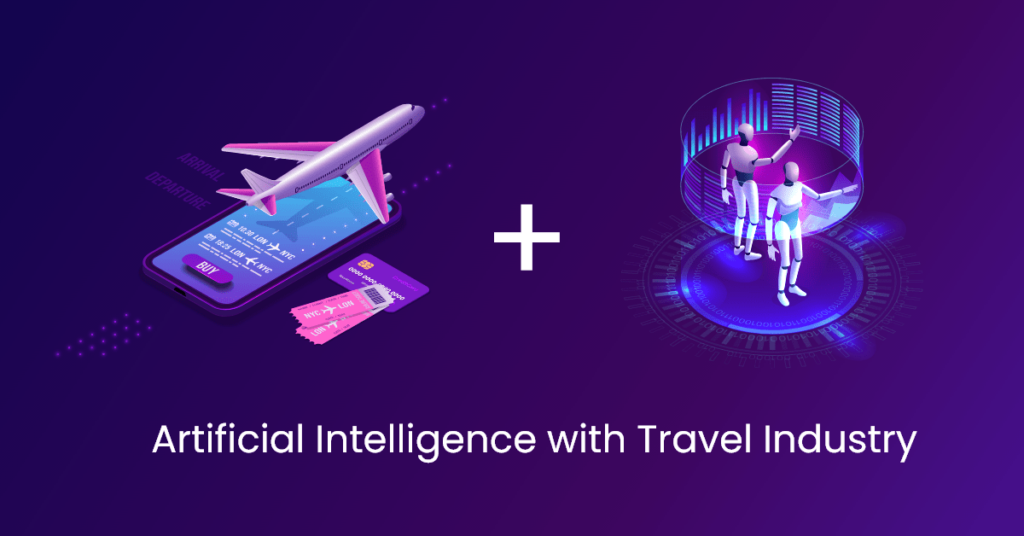
Data security and privacy are crucial aspects when it comes to implementing AI in corporate travel management. As AI systems handle sensitive travel data, companies need to address the risks associated with potential breaches and ensure compliance with data protection regulations.
Risks of Storing Sensitive Travel Data in AI Systems
- Unauthorized access: Storing sensitive travel data in AI systems creates a risk of unauthorized access, leading to potential data breaches.
- Data leaks: Inadequate security measures can result in data leaks, exposing confidential information to unauthorized parties.
- Cyberattacks: AI systems can be targeted by cybercriminals seeking to exploit vulnerabilities and gain access to valuable travel data.
Measures for Ensuring Data Protection and Compliance
- Encryption: Implementing strong encryption techniques can safeguard travel data stored in AI systems from unauthorized access.
- Access controls: Setting up strict access controls and user authentication protocols can help prevent unauthorized users from accessing sensitive information.
- Regular audits: Conducting regular security audits and assessments can identify vulnerabilities and ensure compliance with data protection regulations.
- Compliance checks: Companies should regularly review and update their data protection policies to align with evolving regulations and best practices in the industry.
FAQ Corner
How does AI impact cost savings in corporate travel management?
AI helps businesses analyze travel data, optimize travel routes, and identify cost-effective options, leading to significant savings in corporate travel expenses.
What are the key AI technologies used in corporate travel management?
Some key AI technologies include machine learning algorithms for predictive analytics, natural language processing for travel booking interfaces, and robotic process automation for automating repetitive tasks.
How can businesses ensure data security when using AI in corporate travel?
Companies can implement encryption protocols, access controls, and regular security audits to protect sensitive travel data stored in AI systems, ensuring compliance with data protection regulations.